Nepal is a land of big mountains, rivers, green forests, and cold wind. If you want adventure, Nepal is the place you come. People from everywhere come to see the Himalayas, meet local people, and walk long trails. The Annapurna Base Camp Trek, Langtang Valley Trek, Manaslu Circuit Trek, and Nar Phu Valley Trek are four big treks that show everything Nepal has. You see snow, green hills, culture, prayer flags, and mountains that touch the sky. Trekking in Nepal is not only exercise; it is a life experience.
Annapurna Base Camp Trek – Heart of Mountains
Annapurna Base Camp Trek is a famous trek. People from many countries come. The trek starts from a small village and walks through forests, rivers, suspension bridges, rice fields, and small local houses. The trail is a mix of green forest and snowy mountain. You see Machapuchare, Annapurna South, and Himchuli. Morning sun makes mountains orange; sunset makes sky pink. Night in the teahouse is fun. People talk, drink tea, and play cards. You feel peace and tired at the same time.
The trail is of medium difficulty, not very easy, not very hard. You need shoes, a jacket, and a sleeping bag. Local food is dal bhat, momo, and noodle soup. Villagers are friendly. They smile and say hello. The trail is beautiful; people love it because the view is great and the heart touches nature. You see rhododendron forests, waterfalls, and small monkeys. In spring, flowers bloom. In autumn, the sky is clear, and the mountain is near. Trek 7–12 days, depending on the pace.
Langtang Valley Trek – Nature and Culture
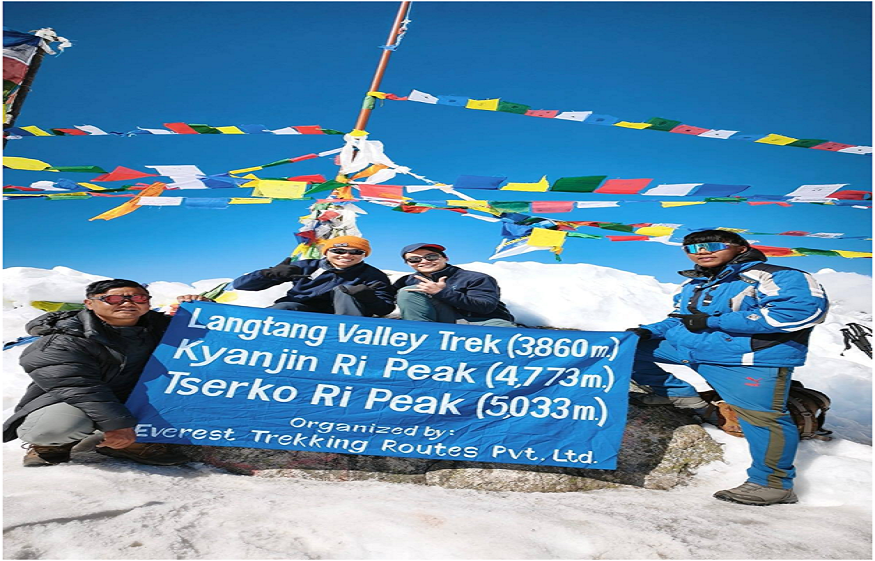
The Langtang Valley Trek is closer to Kathmandu, not far. You drive a few hours, then start walking. The trail is forest, river, and small villages. Houses made of stone and wood, prayer flags everywhere. People here are Tamang; they smile and share tea. The trail goes up slowly; see mountain, glacier. Langtang Peak, Langtang Lirung, beautiful snow. Sometimes fog covers the mountain, then surprises appear.
The trail is medium, with some parts steep. Accommodation: small teahouse. Food is simple: hot soup, bread, and egg. You see yak sometimes, local herder. Culture is a big part. Monastery, mani walls, prayer flags, and local festivals sometimes. Trek 6–9 days, good for beginners and medium trekkers. View amazing, pure nature: forests, rivers, and mountains all together.
Manaslu Circuit Trek—Hidden Gem
The Manaslu Circuit Trek is a secret treasure. Not many people come; less crowd. You see the high Himalayas, green valleys, and traditional villages. Manaslu is the 8th highest mountain in the world. Circuit means you walk round, starting on one side and finishing on another. Village Lho, Samagaon, Samdo, Dharamsala, and many small settlements. Trail pass high pass Larkya La, 5100 meters, cold and windy. You need a strong body and some experience.
The trail is long and sometimes hard. Snow, ice, river crossing, stone path. But view all rewards. Mountain, glacier, small Buddhist monastery, prayer wheel, and mani stone. Accommodation is a basic teahouse, but local people are warm. Food: dal bhat, tea, and noodles. Trek 14–18 days. Adventure strong, people who love nature and peace choose this trek. Not commercial, more natural, more quiet.
Nar Phu Valley Trek—Remote and Beautiful
The Nar Phu Valley Trek is an adventure for the brave. Remote, few people, real Himalaya life. Village Nar, Phu, old stone houses, grazing yak. Trail high, narrow, some snow. View unbelievable. Mountain, ice, valley, river. Culture is Tibetan style, people wear traditional dress, and there are animals everywhere. You feel you go back in time.
The trail is hard and long and needs good fitness. You climb high pass, cold wind, maybe snow. But every step is worth it. Nature untouched, village friendly, landscape amazing. Accommodation is simple: a teahouse or small homestay. Food is hot, simple, and local dal bhat. The trek is 12–15 days; more than trekking, it is a life lesson. People learn patience, respect, nature, and culture.
Why Trek in Nepal?
Nepal is a country full of adventure. Mountains, culture, nature, rivers, forests, and snow. People are friendly, food is tasty, and the trail is safe if careful. Trekking gives exercise, fresh air, and peace. Morning sun on a snow mountain, evening sky orange, night full of stars. You walk, breathe mountain, and feel life. Different treks give different experiences. Annapurna Base Camp for nearby easy and medium treks. Langtang for forest culture near Kathmandu. Manaslu for adventure, high passes, and fewer crowds. Nar Phu for remote life and untouched nature.
What You Need for Trekking
Trekking in Nepal needs preparation. Strong shoes, a warm jacket, a sleeping bag, a hat, gloves, a water bottle, medicine, and sunscreen. Backpack small or medium. Clothes layered. Food teahouse, simple and tasty. Guide helpful if first trek. Permits are needed for some treks, like Manaslu and Nar Phu. Respect local culture; don’t leave trash. Camera bring for mountain view. Health is important; walk slowly at high altitude, drink water, and rest.
Best Time to Trek
The best time is spring, March to May, and autumn, September to November. Spring flowers bloom, and the sky is clear. Autumn dry, sky blue, mountain visible. Summer rain: heavy, slippery, landslide. Winter is very cold, snow is high, and some trails are closed. Each season is a different experience, but most people prefer spring and autumn.
Experience Local Culture
Nepal trek is not only nature but also culture. Villagers are friendly, smile, drink tea, and share food. You see monasteries, mani walls, prayer flags, and festivals sometimes. People wear traditional dress, yak, sheep, and horse. Villages with old stone houses, wooden doors, and small gardens. You learn culture, lifestyle, respect for nature, and simple life.
Tips for Trekkers
- Walk slowly; don’t hurry. Altitude sickness is possible.
- Drink water; eat local food. Dal bhat is good.
- Sleep early; a morning hike is better.
- Respect villagers, culture, and traditions.
- Hire a local guide if it’s the first trek; it’s helpful and safe.
- Bring a camera; the mountain view is amazing.
- Warm clothes, a jacket, gloves, and a hat.
- Backpack not too big, light, and strong.
- Trekking shoes are important with a strong grip.
- Enjoy every moment, every step of the mountain beauty.
FAQs
- Which trek is easiest?
Annapurna Base Camp and Langtang Valley are easier for beginners. - Which trek is the most adventurous?
Manaslu Circuit and Nar Phu Valley, more remote and high pass. - How many days are needed?
Annapurna 7–12, Langtang 6–9, Manaslu 14–18, Nar Phu 12–15. - Need a guide for the trek?
The guide is helpful for Manaslu and Nar Phu. Optional for Annapurna and Langtang. - Best season for trekking?
Spring (March–May) and Autumn (September–November is best, with clear skies and good weather.
Nepal trekking is adventure, life lessons, nature, and culture all in one. Annapurna Base Camp, Langtang Valley, Manaslu Circuit, and Nar Phu Valley are each special. You see a big mountain, a small village, a forest, a river, and snow. People friendly, food good, sky full of stars, morning sun on snow mountain unforgettable. Trekking in Nepal is not only walking; it is feeling life, learning patience, respecting nature and people, and discovering self. Every trek is different, every trek is beautiful, and every trek makes a memory forever. Nepal is calling, and adventure is waiting.
Contact Details
Company address: Everest Trekking Routes Pvt. Ltd.
16 Khumbu, Nayabazaar, Kathmandu, Nepal
Mobile: +977-9843467921 (Rabin)
Email: [email protected]
URL:– www.everesttrekkingroutes.com